


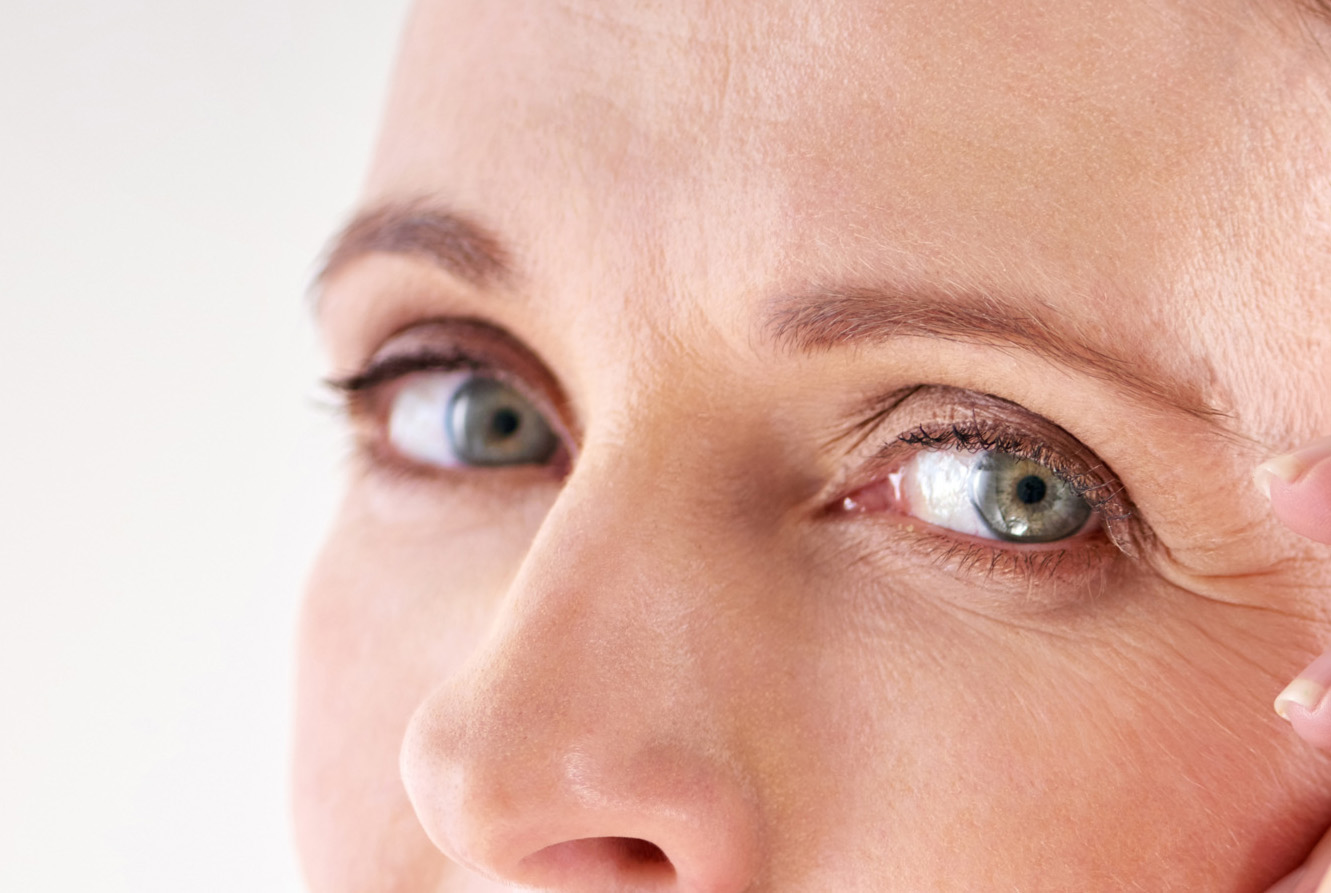
Are tired, puffy eyes making you look older or more exhausted than you actually feel? Those stubborn under-eye bags, wrinkles, and dark circles can be a constant source of annoyance when no amount of sleep or creams seems to help. If you’ve found yourself wondering, “Will under-eye blepharoplasty slightly lift my face as well?” or “What should I consider before opting for blepharoplasty to rejuvenate my eyes?”, you’re in the right place. Lower blepharoplasty might be exactly the solution you need to refresh your appearance and boost your confidence.
What exactly is lower blepharoplasty?
Lower blepharoplasty is Eyelid Surgery Raleigh designed to correct under‑eye bags, bulges, and some fine wrinkling by sculpting or repositioning the fat pads and, when needed, tightening skin and supporting muscles. The goal is a smoother transition from the lower eyelid to the upper cheek (the “lid–cheek junction”), which makes you look more rested without changing your eye’s natural character.
Two common approaches
There isn’t just one way to perform lower blepharoplasty. The correct method depends on whether your main concern is puffiness, skin laxity, or a combination of both. Here are the two most common approaches:
- Transconjunctival (inside the eyelid): This approach leaves no external scar and is ideal for patients whose puffiness comes mostly from herniated fat rather than excess skin. Surgeons can reposition fat to fill hollows (tear troughs) instead of removing it completely, creating a smoother contour.
- Transcutaneous/Subciliary (just under the lashes): This technique allows the surgeon to address both fat pockets and skin laxity. It also provides the option to perform a minor “skin pinch” to remove crepey or loose skin. It’s often recommended when patients have noticeable bagginess combined with excess lower-lid skin.
Is Lower Blepharoplasty the Right Choice for Your Concerns?
This is the key question you haven been looking answers for. Well, based on leading expert insights, lower blepharoplasty is well suited to correct specific issues that creams simply can’t touch:
- Puffy Eye Bags: These are often caused by fat pockets that have bulged forward with age. Blepharoplasty addresses this directly.
- Under-Eye “Dark Circles”: Often, what appears as a dark circle is actually a shadow cast by a hollow area (called a tear trough). Surgeons can expertly reposition fat to fill this hollow, eliminating the shadow.
- Loose, Sagging Skin: If you have wrinkly or crepey skin under your eyes, the procedure can remove the excess for a tighter, smoother contour.
If your main concerns fall into these categories, lower blepharoplasty is likely an excellent solution.
Will Lower blepharoplasty slightly lift your face as well?
While the main goal is to rejuvenate the under-eye area, lower blepharoplasty can contribute to a subtle lifting effect in the lower face by tightening loose skin and muscles. However, it is not a complete facelift and focuses only on the eyelid area. For those seeking more comprehensive lifting, this procedure is often combined with other facial surgeries.
Key considerations Before you Go For Lower Blepharoplasty
Before deciding on lower blepharoplasty, it’s important to consult with a qualified and experienced surgeon who can evaluate your unique anatomy and health to determine if you’re an ideal candidate. Some key considerations include:
- Assessing your overall eye health to rule out medical causes for puffiness or discoloration.
- Clarifying your aesthetic goals and understanding the realistic results and recovery process.
- Deciding if you might benefit from additional procedures like upper eyelid surgery or skin treatments.
- Knowing the potential risks such as infection, scarring, dry eyes, and ensuring proper aftercare.
How Surgeons Customize the Procedure
Surgeons customize the procedure to address your specific needs. A common approach involves carefully repositioning the natural fat pad under your eye to fill in the hollow area directly below it. This creates a smoother transition from your eyelid to your cheek. If you have loose or wrinkled skin, the surgeon may remove a small, precise amount or use a laser to tighten the surface. For patients with lower eyelid looseness, the surgeon may also tighten the underlying muscle and tendons. This added step helps support the eyelid’s position and is important for both the appearance and health of the eye after surgery.
Lower blepharoplasty vs. fillers & lasers
When considering under-eye rejuvenation, it’s important to know which solution fits your specific concern. Non-surgical options have their place, but they can’t always match the results of surgery.
- Fillers: Useful for subtle hollows, but can migrate or create a bluish tint (Tyndall effect) if placed too superficially. They’re temporary and may need dissolving if problems occur.
- Surgery (fat repositioning): Addresses the root cause when fat bulge is the driver; results are typically long‑lasting with a smoother lid–cheek junction.
- Skin texture: Fine lines and true pigmentation respond better to resurfacing (e.g., laser/peels) paired with or after surgery, not to skin excision alone.
Final Word
Choosing to move forward with lower blepharoplasty eyelid surgery is a personal decision that comes down to how you want to feel about your appearance every day. If under-eye puffiness or shadows are something you notice more than you’d like, exploring this procedure with a qualified surgeon can give you clarity on whether it’s the right fit. The most important step is getting reliable information, asking the right questions, and discussing your goals openly during a consultation.
Say Goodbye to Under-Eye Bags with Jiya Cosmetic
Under-eye bags and sagging skin don’t have to be a permanent part of your look. At JIYA Eyelid and Facial Cosmetic Surgery, you’ll find advanced techniques and care tailored just for you. Call (919) 929-6006 or click here and schedule your consultation with Dr. Jindal, Raleigh expert in eyelid rejuvenation and get the renewed look you have been looking for!
Frequently Asked Question’s
What is the difference between transconjunctival and external approaches?
The transconjunctival method uses an incision inside the eyelid with no visible scar, best for fat repositioning. The external (subciliary) method is placed under the lashes, allowing treatment of both fat and excess skin.
What’s the typical downtime after surgery?
Most swelling and bruising improve in 10–14 days, with full refinement taking a few weeks to months. Patients are usually “public-ready” within two weeks.
Can I wear contacts after the procedure?
Contacts are generally avoided for the first 1–2 weeks to allow proper healing. Your surgeon will advise the exact timeline based on your recovery.
How do I prepare for the procedure?
Patients are usually asked to stop smoking, avoid certain medications like blood thinners, arrange transportation, and follow specific pre-op instructions from their surgeon.
Is financing available?
Many practices offer financing options or payment plans through medical credit providers. It’s best to confirm availability during your consultation.