

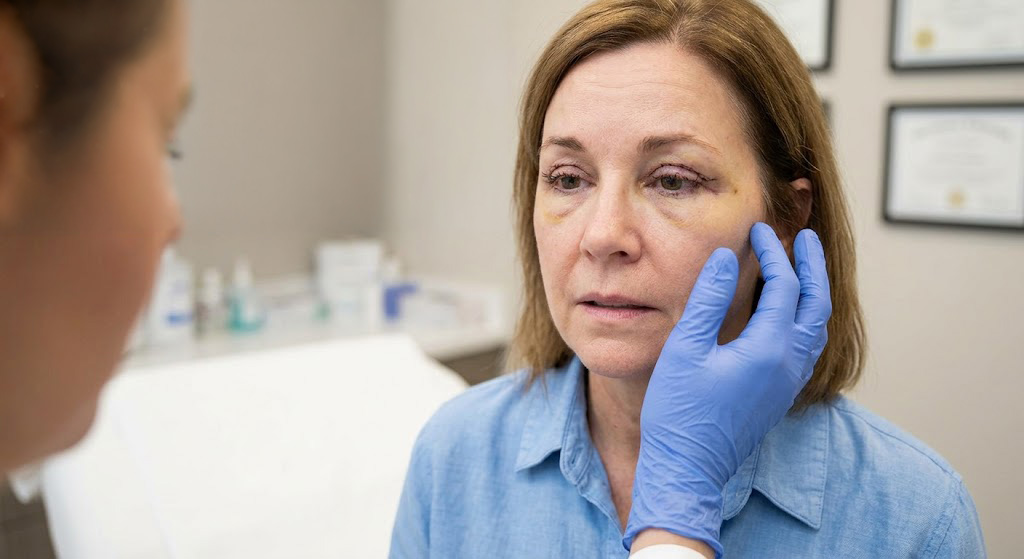
Blepharoplasty, commonly known as eyelid surgery, is one of the most precise and delicate cosmetic procedures performed today. Whether it’s upper eyelid surgery to correct drooping skin or lower eyelid surgery to reduce under-eye bags and puffiness, the recovery phase plays a crucial role in achieving the best results.
- What Is Lymphatic Massage After Blepharoplasty?
- Why Patients Consider Lymphatic Massage After Eyelid Surgery
- Risks of Lymphatic Drainage After Blepharoplasty
- When Is It Safe to Start Lymphatic Massage After Blepharoplasty?
- Who Should Avoid Lymphatic Massage Completely?
- Signs You Should Stop Massaging Immediately
- Should You Get Lymphatic Massage After Blepharoplasty?
- Why Choosing the Right Blepharoplasty Surgeon Matters?
As patients look for ways to speed up healing, lymphatic massage after blepharoplasty has become increasingly popular. It’s often promoted as a quick, natural way to reduce swelling and improve recovery. But what many people don’t realize is that this approach isn’t always as safe as it sounds.
If you’re considering blepharoplasty in Raleigh NC, understanding what’s safe (and what isn’t) during recovery is essential. At JIYA Cosmetics, Dr. Sumeet Jindal, a board-certified ophthalmologist, provides eyelid surgery consultation in Raleigh, NC.
In this guide, we’ll break down the real risks, explain when lymphatic massage may be appropriate, and share expert-backed insights to help you recover safely and confidently.
What Is Lymphatic Massage After Blepharoplasty?
Lymphatic massage is a gentle, rhythmic technique designed to stimulate the lymphatic system and help move excess fluid away from swollen areas.
After blepharoplasty, your body naturally goes through an inflammatory healing phase. This often leads to swelling, mild bruising, and fluid buildup around the eyes. The lymphatic system plays an important role here, helping clear this excess fluid and support the healing process.
Because of this, some practitioners recommend lymphatic massage after blepharoplasty as a way to reduce puffiness and improve recovery. The goal of this type of eyelid surgery recovery massage is to:
- Encourage fluid drainage
- Reduce swelling and bruising
- Support the body’s natural healing response
However, there’s an important detail many patients overlook.
During surgery, the delicate lymphatic pathways around the eyes are temporarily disrupted. This means your body needs time to restore normal drainage on its own. Since the eyelids are among the thinnest and most sensitive tissues in the body, applying any manual technique too soon.
Why Patients Consider Lymphatic Massage After Eyelid Surgery
After eyelid surgery, it’s completely normal to want a faster, smoother recovery. Swelling, bruising, and tightness around the eyes can feel uncomfortable, which is why many patients start looking into options like lymphatic massage after blepharoplasty.
This type of post-blepharoplasty swelling treatment is often considered for a few common reasons:
- To reduce swelling faster: Post-surgical edema is one of the most noticeable parts of recovery, and patients naturally want relief as soon as possible.
- To support healing: There’s a widespread belief that lymphatic drainage can improve circulation and speed up tissue repair.
- To prevent fibrosis: Some patients worry about scar tissue forming and hope massage can help keep tissues soft and smooth.
- To minimize bruising: Since lymphatic massage is used after procedures like liposuction or facelifts, many assume it works the same way for eyelid surgery.
If done too early or incorrectly, lymphatic massage can lead to complications rather than improvement. Understanding this distinction is key before adding any massage technique to your recovery routine.
Risks of Lymphatic Drainage After Blepharoplasty
When done too soon or without proper guidance, it can lead to complications that may affect both healing and final results.
1. Increased Risk of Bleeding & Hematoma
Massaging the area too early can disturb healing blood vessels. Since the tissues are still fragile, this may trigger bleeding. In some cases, lead to a hematoma, a collection of blood under the skin that may require medical treatment.
2. Damage to Delicate Eyelid Tissues
The skin around your eyes is extremely thin and sensitive. Even light pressure, if applied incorrectly, can irritate or damage the tissues. This can delay healing and impact your surgical results, making eyelid massage after surgery a safety concern.
3. Higher Risk of Infection
During recovery, your incisions are still healing. Touching or manipulating the area, without strict hygiene, can introduce bacteria and increase the chances of infection.
4. Swelling May Actually Get Worse
Although massage is meant to reduce swelling, poor technique can have the opposite effect. Instead of helping fluid drain properly, it can irritate the area and lead to increased inflammation and prolonged swelling.
5. Fluid Buildup (Seroma Formation)
If lymphatic drainage is not done correctly, fluid may collect unevenly under the skin. This can result in small pockets of fluid, known as seromas, which may need additional treatment to resolve.
6. Scar Tissue & Fibrosis Concerns
Massage is sometimes used to prevent scar tissue, but doing it too early or too aggressively can interfere with natural healing. In some cases, it may actually worsen fibrosis rather than improve it.
When Is It Safe to Start Lymphatic Massage After Blepharoplasty?
There isn’t a fixed timeline for starting lymphatic massage after eyelid surgery. In most cases, surgeons prefer to wait at least two weeks and only consider it if healing is progressing as expected, meaning the incisions are closed, and there are no signs of active swelling or complications.
Even then, this isn’t something to try on your own. The eye area is delicate, and any massage should be performed by someone experienced in post-surgical facial care.
What matters most is how you are healing. Recovery varies from person to person, so the decision should always come from your surgeon, not general timelines or outside advice.
Who Should Avoid Lymphatic Massage Completely?
Lymphatic massage isn’t suitable for everyone during cosmetic eyelid surgery recovery. In some situations, it’s best to avoid altogether to prevent complications.
You should not consider a massage if you have:
- Signs of infection, such as redness, warmth, pus, or fever
- Open wounds or issues with stitches
- Severe or unusual swelling beyond normal recovery
- Medical conditions that affect bleeding or clotting, including the use of blood thinners
- Recently had additional procedures in the same area
If any of these apply, it’s important to speak with your surgeon before trying any kind of massage.
According to the NHS, following proper aftercare instructions significantly reduces the risk of infection, delayed healing, and swelling complications.
Signs You Should Stop Massaging Immediately
Even if lymphatic massage has been cleared by your surgeon, it’s important to stay aware of how your body reacts during and after each session. The eye area is extremely sensitive, and even small changes can signal that something isn’t right.
If you notice any discomfort that feels unusual or more intense than expected, don’t ignore it. Stop the massage and monitor your symptoms closely.
Be especially cautious if you experience:
- Sharp or increasing pain around the eyelids or orbital area, rather than mild, expected tenderness
- Noticeable redness or warmth near the incision, which may indicate irritation or early infection
- Any discharge, pus, or unusual fluid, as this is not part of normal healing
- Fever or chills, particularly after a session, which could suggest your body is reacting to an infection
- Sudden or persistent swelling that doesn’t ease within a short time after the massage
- Changes in vision, including blurriness, pressure, or a heavy sensation around the eyes
These symptoms can point to complications that need prompt attention. Instead of waiting to see if they improve, it’s safer to pause any massage and reach out to your surgical team for guidance.
Should You Get Lymphatic Massage After Blepharoplasty?
Lymphatic massage isn’t a standard part of recovery after blepharoplasty Raleigh NC. Many patients heal well without it, simply by following their surgeon’s aftercare instructions. In most cases, the body is able to manage fluid drainage naturally, especially with proper rest, head elevation, and basic post-operative care.
That said, there are situations where it may be considered. Patients dealing with lingering, localized swelling a few weeks after surgery might benefit from carefully guided lymphatic drainage, if recommended by their surgeon and performed by someone experienced in post-surgical care.
What matters most is how your recovery is progressing.
A few key points you should keep in mind:
- Lymphatic massage isn’t necessary for everyone
- Timing and technique play a critical role
- It should only be done with your surgeon’s approval
- Starting too early can do more harm than good
Why Choosing the Right Blepharoplasty Surgeon Matters?
JIYA Cosmetic stands out for its focused expertise around the eyes, individualized evaluations, and thoughtful recovery guidance. Led by Dr. Sumeet Jindal, he is a board-certified ophthalmologist with advanced fellowship training in oculofacial cosmetic surgery. The practice specializes in eyelid and facial procedures.
If you’re considering eyelid surgery or navigating recovery after a recent procedure, having the right guidance can make all the difference. At Jiya Cosmetic, every step is designed around your safety, comfort, and long-term results.
Ready to Get Clear Answers?
Whether you have questions about recovery, concerns about post-blepharoplasty swelling treatment, or want expert advice on treatments like lymphatic massage, a personalized consultation can help you make informed decisions with confidence.
Schedule your consultation with Dr. Sumeet Jindal today. Call Jiya Cosmetic at (919) 929-6006 or visit their website to book online.
Take the next step toward a smoother, safer recovery and results that look naturally refreshed.
FAQs
Can lymphatic massage damage eyelid surgery results?
Yes, it can, especially if it’s done too early or with too much pressure. The eyelid area is very delicate, and improper massage may lead to bleeding, infection, or poor healing. It’s always best to check with your surgeon before trying anything.
When can I start massage after blepharoplasty?
In most cases, surgeons advise waiting at least two weeks. Even then, it should only be considered if your healing is on track and your surgeon approves it. The exact timing varies from person to person.
Is lymphatic massage necessary after eyelid surgery?
No, it’s not a required part of recovery. Many patients heal well with basic aftercare like rest, cold compresses, and proper wound care. Massage is only considered in specific situations.
What is the safest way to reduce swelling after blepharoplasty?
Simple steps work best using cold compresses in the first few days, keeping your head elevated, and following your surgeon’s instructions closely. These methods are safe and effective for most people.
Who performs blepharoplasty in Raleigh, NC?
At Jiya Cosmetic, procedures are performed by Dr. Sumeet Jindal, who specializes in eyelid surgery and facial aesthetics, with a focus on natural results and personalized care.
When to start lymphatic massage after blepharoplasty?
Most patients can consider it around 2 weeks after surgery, but only if healing is progressing well and your surgeon approves it. The exact timing varies, so it’s best to follow personalized medical advice rather than a fixed timeline.