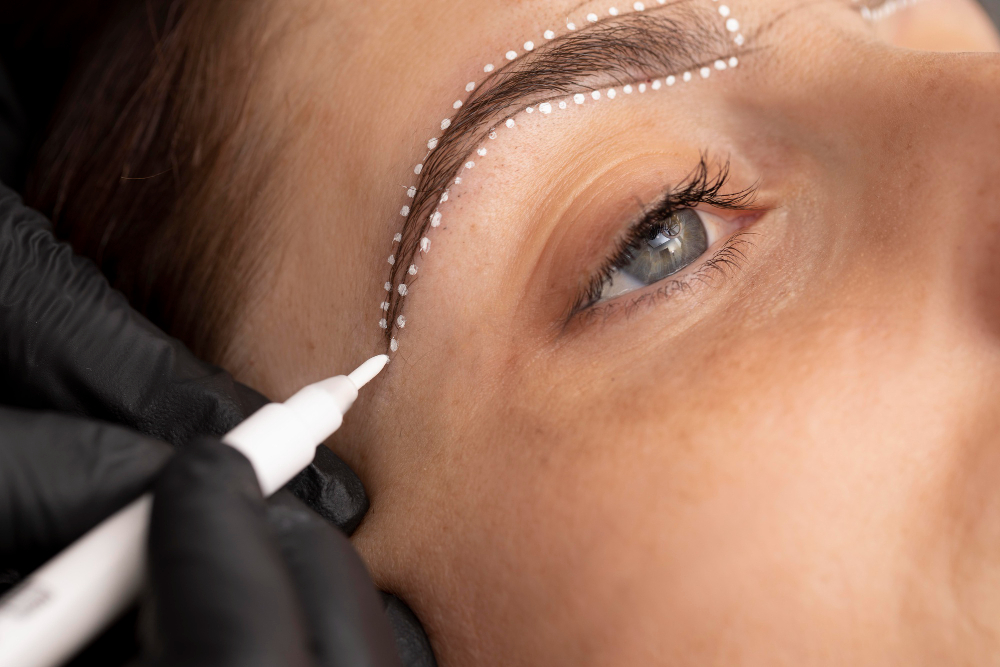
An eyebrow hair transplant can create fuller, more natural-looking brows, but the result does not appear overnight. Understanding eyebrow hair transplant recovery time helps patients know what is normal, what to expect next, and when results usually start to show. At JIYA Cosmetic, eyebrow hair transplant treatment in Raleigh NC is designed to restore natural brow shape using the patient’s own hair follicles, with a plan tailored to facial features and brow goals.
This guide explains eyebrow hair transplant recovery, from the first few days through the full eyebrow transplant timeline, so patients can move through healing with more confidence.
What Is an Eyebrow Hair Transplant?
An eyebrow hair transplant is a procedure that moves hair follicles, usually from the scalp, into the eyebrows to improve fullness, shape, or symmetry. This is different from temporary options like microblading, brow pencils, or growth serums. Those options can improve appearance for a while, but they do not move real hair into the brow. A transplant does. That is why many patients choose it when they want a long-term solution and a more natural texture.
Eyebrow Hair Transplant Recovery: What Happens After Surgery?
The early recovery period is usually mild, but the full eyebrow hair graft recovery process takes time. Some changes happen right away, while others happen weeks or months later. The most important thing to remember is that shedding and delayed regrowth are normal parts of the process.
Day 1 to 3: Immediate Healing
The first few days are usually the most noticeable part of recovery. Patients can expect:
- Mild redness around the brows
- Mild swelling
- Tenderness or sensitivity
- A need to avoid rubbing, pressure, or unnecessary touching
This stage is mostly about protecting the new grafts. Rest matters. Patients should follow all cleaning and medication instructions given by their provider. Recovery is usually fairly quick in the first phase, but the grafts are delicate.
Week 1: Scabbing and Early Healing
During the first week, tiny scabs often form around the transplanted hairs. This is normal. The key is to let them come off naturally.
Patients often notice:
- Small scabs around each graft
- Less redness than the first few days
- Mild tightness or itching
- Return to light daily activity
This is the stage many people search for as “eyebrow transplant after 1 week.” The short answer is that the brows may still look a little rough, but that does not mean anything is wrong. Early healing is still underway, and the area should not be picked or scrubbed.
Weeks 2 to 4: Shedding Phase
This stage surprises many patients. The transplanted hairs often shed. That can feel alarming, but it is expected.
During this stage:
- The visible transplanted hairs may fall out
- The follicles stay in place under the skin
- The brow area may look thinner again
This does not mean the procedure failed. It is a normal part of the eyebrow transplant timeline. NHS guidance on hair transplant recovery also notes that transplanted hairs often fall out after a few weeks before new growth begins later.
Months 2 to 3: Dormant Phase
In months two and three, the brows may still look sparse. This is often called the dormant phase.
At this point:
- The follicles are settling
- New growth may still be limited
- Patients may feel impatient because the brows do not yet look full
This stage can be frustrating, but it is still normal. It can take several months before patients see results from an eyebrow transplant. If there are concerns during this phase, patients should check in with the team at JIYA Cosmetic for support and personalized eyebrow transplant aftercare guidance.
Months 3 to 6: Early Regrowth
This is when many patients finally begin to see progress.
Common changes include:
- Fine new hairs starting to appear
- Gradual increase in brow fullness
- Better sense of brow shape forming
NHS guidance on hair transplant recovery says new hair often starts to appear around four months, which fits the usual eyebrow hair transplant recovery time pattern as well. Growth is gradual, so patience still matters.
Months 6 to 12: Final Growth and Full Results
Between 6 and 12 months, the eyebrows usually continue to thicken and mature.
By this stage, patients may notice:
- Fuller brow density
- A more defined final shape
- More natural blending with surrounding hairs
- Need for regular trimming, since transplanted hairs may grow like scalp hair
Many patients see the most complete improvement closer to the later part of this range.
Eyebrow Hair Transplant Recovery Time Chart
| Phase | Timeline | What to Expect |
| Immediate healing | Days 1 to 3 | Redness, swelling, sensitivity |
| Scabbing phase | Days 4 to 7 | Tiny scabs form and fall off naturally |
| Shedding | Weeks 2 to 4 | Transplanted hairs shed |
| Dormant phase | Months 1 to 3 | Brows may look sparse |
| Growth phase | Months 3 to 6 | New hairs begin to appear |
| Full results | Months 6 to 12 | Final shape and fuller density |
Aftercare Tips for Faster Recovery
Proper eyebrow transplant aftercare helps protect the grafts and reduce unnecessary irritation.
Best practices
- Sleep with the head elevated for the first few nights
- Do not rub, scratch, or pick at the brows
- Cleanse only as directed
- Avoid heavy sweating early in recovery
- Avoid swimming until cleared
- Protect the area from direct sun
- Follow all instructions from the JIYA Cosmetic team
These steps can support smoother eyebrow hair graft recovery and lower the chance of avoidable problems.
Patient Success Stories, Testimonials, and Recovery Support
Recovery is not only about healing. It is also about feeling supported at every stage of the eyebrow transplant timeline. Many patients feel anxious during the shedding and dormant phases because the brows can look thinner before new growth begins. That is why clear follow-up guidance matters so much. Knowing what is normal, when changes should happen, and who to contact with questions can make the recovery process feel much easier.
At JIYA Cosmetic, the eyebrow hair transplant service is designed to create fuller, natural-looking brows with attention to facial balance and long-term results. Our patient feedback also reflects the kind of care many people want during recovery. One patient shared, “I was in excellent hands.”
For many patients, success means more than adding hair. It means restoring brows after years of over-plucking, improving sparse or uneven growth, and moving away from temporary fixes like makeup or microblading. Just as important, it means having a team that offers guidance through each stage of eyebrow hair transplant recovery, from early healing to final growth.
Why Choose JIYA Cosmetic for Your Eyebrow Hair Transplant?
At JIYA Cosmetic, we offer eyebrow hair transplant in Raleigh. The treatment is customized to rebuild natural brows that fit the patient’s facial contours and goals. That matters because brow design is not only about placing hair. It is also about symmetry, shape, and how the brows frame the eyes.
Patients considering treatment can call 919-929-6006 to request a consultation to discuss candidacy, design, and recovery expectations.
FAQs
How long does eyebrow hair transplant recovery take?
Most healing is within 7–10 days, but visible results usually develop over 6–12 months.
Is shedding after an eyebrow hair transplant normal?
Yes. Many transplanted hairs shed during weeks 2–4. The follicles stay under the skin and regrow later.
Does eyebrow transplant hair grow long?
Yes. Transplanted eyebrow hair often comes from the scalp, so it may grow longer and faster than natural eyebrow hair. Many patients need regular trimming (often every 1–3 weeks) and may also need to train the hairs by brushing them into shape.
Is eyebrow hair transplant permanent?
In most cases, yes. An eyebrow hair transplant is considered a long-term/permanent solution because the transplanted follicles are real, living hair follicles. After the normal shedding and regrowth phases, the new hairs typically keep growing for years. Results can still be affected by factors like health conditions, scarring, or improper aftercare, but for most patients the transplanted hairs are designed to last.
When do transplanted eyebrow hairs start growing?
Early new growth often starts around 3–4 months, with thicker growth from 6–12 months.
When can I wear makeup on my eyebrows after the procedure?
Usually after scabs are fully gone and your provider approves. Timing varies, but many wait 1–2 weeks.
What are signs something is wrong during recovery?
Worsening pain, spreading redness, pus, fever, or swelling that increases after the first few days should be checked promptly.