Are you worried about visible scarring after your hair transplant procedure? The fear of noticeable scars keeps many patients from achieving their dream hairline, especially when they don’t understand the healing timeline differences between FUE and FUT procedures. Understanding the fue vs fut scar recovery timeline helps to make an informed decision and plan recovery properly, ensuring optimal results with minimal visible scarring.
- Understanding FUE & FUT Hair Transplant
- Why Does Scar Recovery Timeline Matters?
- What is the FUE Scar Recovery Timeline?
- What is the FUT Scar Recovery Timeline?
- Side-by-Side Healing Comparison of FUE vs FUT
- Factors Affecting Scar Healing
- Aftercare Checklist for Optimal Healing
- Choose Your Hair Transplant with Confidence
This guide reveals the exact healing process for both FUE and FUT procedures, breaking down the recovery timeline from day one through complete healing. You will discover which procedure offers faster recovery, how scars evolve over time, and what factors influence your healing speed.
At JIYA Cosmetic, Dr. Sumeet Jindal specializes in both FUE and FUT hair transplants, providing personalized aftercare support to ensure optimal scar healing. Our team helps patients understand the fue vs fut healing timeline and guides them through each recovery stage for the best possible results.
Understanding FUE & FUT Hair Transplant
Before comparing the fue vs fut scar recovery process, it is important to understand how each procedure works.
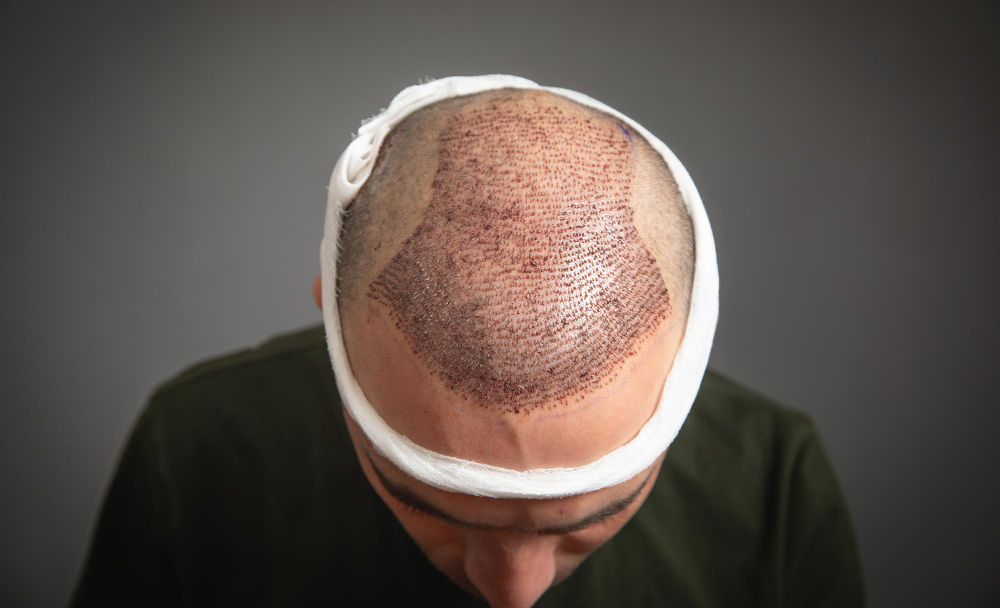
During the FUE, or Follicular Unit Extraction method, individual follicles are removed one by one, due to tiny dot-like wounds. This method is frequently preferred by patients as this procedure creates less scarring and has a shorter recovery period.
Whereas in the FUT method or Follicular Unit Transplantation, a thin strip of scalp is removed from the donor area, after which the follicles are then separated and transplanted into the recipient area, leaving a linear scar that may take longer to heal. This can be a strong option for patients who need a higher number of grafts in one session. When comparing FUE vs FUT, the best option depends on the extent of hair loss, hairstyle preferences, donor area characteristics, and recovery goals.
Difference between FUE vs FUT Scars
Understanding the fundamental differences between FUE and FUT scarring helps set realistic expectations for your recovery journey.
| Feature | FUE | FUT |
| Scar Type | Multiple tiny dot scars | Single linear scar |
| Healing Speed | 5-7 days initial healing | 10-14 days initial healing |
| Visibility with Short Hair | Minimal to invisible | May be visible |
| Return to Daily Activities | 3-5 days | 7-10 days |
| Stitches Required | No | Yes |
| Exercise Restrictions | 1-2 weeks | 3-4 weeks |
Why Does Scar Recovery Timeline Matters?
The fue vs fut recovery timeline directly impacts your personal and professional life. Planning around the healing process ensures you minimize disruption to your routine while maximizing healing outcomes.
Recovery timelines affect your work schedule, social commitments, and exercise routines. Understanding when you can return to normal activities helps you plan time off work and schedule important events. The healing timeline also determines when scars become less noticeable, affecting your confidence levels during recovery.
To get a complete picture of healing stages, you can also explore our full guide on FUE vs FUT Hair Transplant Recovery Timeline, which explains recovery from surgery to final results.
What is the FUE Scar Recovery Timeline?
Days 0-3: Initial Healing Phase
Tiny extraction sites form pinpoint scars across the donor area. Mild redness and swelling appear around extraction points. No stitches are needed, allowing for immediate gentle washing. Most extraction sites show significant healing within 72 hours.
Days 4-7: Scab Formation
Small scabs develop over extraction sites and begin falling off naturally. Redness starts fading significantly. Most patients feel comfortable returning to non-strenuous work by day 5. The fue scar recovery timeline shows rapid initial improvement during this phase.
Weeks 2-6: Shedding Phase
Shock loss begins as transplanted follicles enter the resting phase. This shedding is completely normal and expected. The donor area appears nearly healed with minimal visible scarring. Extraction sites continue blending with surrounding skin.
Months 3-6: Early Growth Phase
New hair growth becomes visible in transplanted areas. Donor area scars fade to near-invisible white dots. Scalp texture normalizes completely. When fue scars heal completely varies, but most achieve excellent cosmetic results by month 6.
Months 6-12: Final Results
Full hair density develops in transplanted areas. FUE scars become virtually undetectable, even with short haircuts. Complete healing achieved with optimal cosmetic outcomes.
What is the FUT Scar Recovery Timeline?
Days 1-7: Surgical Recovery
Linear incision begins the immediate healing process. Sutures or staples remain in place for wound closure. Moderate swelling and tightness around the incision site. Pain medication may be necessary for comfort during the fut scar healing process.
Days 7-14: Suture Removal
A medical professional removes sutures or staples. Linear scar enters secondary healing phase. Tightness sensation continues but gradually decreases. Return to light work activities typically approved.
Weeks 2-6: Strengthening Phase
Linear scar tissue continues strengthening and maturing. The shedding phase begins in the recipient area. Gentle stretching exercises may be recommended. Scar remains pink but starts lightening.
Months 3-9: Maturation Phase
New hair growth emerges in transplanted areas. Linear scar continues fading and softening. Surrounding hair grows to help conceal the scar. Full strength returns to the donor area.
Months 12-18: Final Healing
Complete scar maturation achieved. The linear scar appears as a thin white line. Hair transplant results reach full potential.
Side-by-Side Healing Comparison of FUE vs FUT
| Recovery Aspect | FUE Healing | FUT Healing |
| Visible Healing Time | 5-7 days | 10-14 days |
| Complete Healing | 3-6 months | 12-18 months |
| Pain Level | Minimal | Moderate |
| Activity Restrictions | 1-2 weeks | 3-4 weeks |
| Scar Visibility Long-term | Nearly invisible | Thin linear line |
Factors Affecting Scar Healing
Several factors influence your fue vs fut recovery timeline. Age and overall health significantly impact healing speed, with younger patients typically experiencing faster recovery. The number of grafts transplanted affects the extent of scarring and healing duration.
Skin type plays a crucial role in scar formation. Some individuals naturally form more prominent scars due to genetic factors. Adherence to fue vs fut aftercare instructions directly correlates with healing quality and speed.
Surgeon technique and experience greatly influence scarring outcomes. At JIYA Cosmetic, Dr. Sumeet Jindal employs advanced techniques to minimize scarring and optimize healing.
Aftercare Checklist for Optimal Healing
Week 1 Post-Procedure:
- Wash scalp gently with prescribed medical shampoo
- Sleep with head elevated at 45 degrees
- Avoid direct sunlight exposure
- Apply prescribed antibiotic ointment
Weeks 2-4:
- Resume light activities gradually
- Continue gentle hair washing routine
- Avoid swimming pools and saunas
- Protect scalp from sun exposure
Month 2 and Beyond:
- Return to normal exercise routines
- Use sunscreen on scalp when outdoors
- Follow up with your surgeon for progress checks
Proper aftercare accelerates healing and reduces complication risks. JIYA Cosmetic provides customized aftercare plans tailored to each patient’s specific needs.
Choose Your Hair Transplant with Confidence
Understanding the fue vs fut scar recovery timeline empowers you to select the best procedure for your lifestyle and aesthetic goals. FUE offers faster initial healing with minimal scarring, ideal for those wanting quick recovery and short hairstyle options. FUT provides excellent graft yield with a single linear scar, perfect for patients needing maximum coverage.Both procedures deliver outstanding results when performed by experienced surgeons with proper aftercare. Your individual healing factors and lifestyle requirements should guide your decision. Ready to achieve your hair restoration goals with minimal scarring? Call Us on (984) 275-3818 to schedule your consultation with Dr. Sumeet Jindal at JIYA Cosmetic today to receive a personalized treatment plan and aftercare support tailored to your specific needs.
FAQs
Does a FUT scar ever go away completely?
FUT scars fade significantly but remain as thin white lines. Proper aftercare and time result in minimal visibility, especially when covered by surrounding hair.
How long do FUE scars last?
FUE scars typically achieve complete healing within 3-6 months, becoming virtually invisible even with short haircuts.
How soon can I work out after FUE/FUT procedures?
Light exercise resumes after 1-2 weeks for FUE and 3-4 weeks for FUT. Heavy workouts should wait 4-6 weeks post-procedure.
Which has less noticeable scars, FUE or FUT?
FUE produces less noticeable scarring with tiny dots versus FUT’s linear scar, making FUE better for short hairstyles.
Can I hide my transplant scars immediately after surgery?
FUE scars can often be concealed with existing hair immediately. FUT scars require longer surrounding hair for coverage during initial healing.