

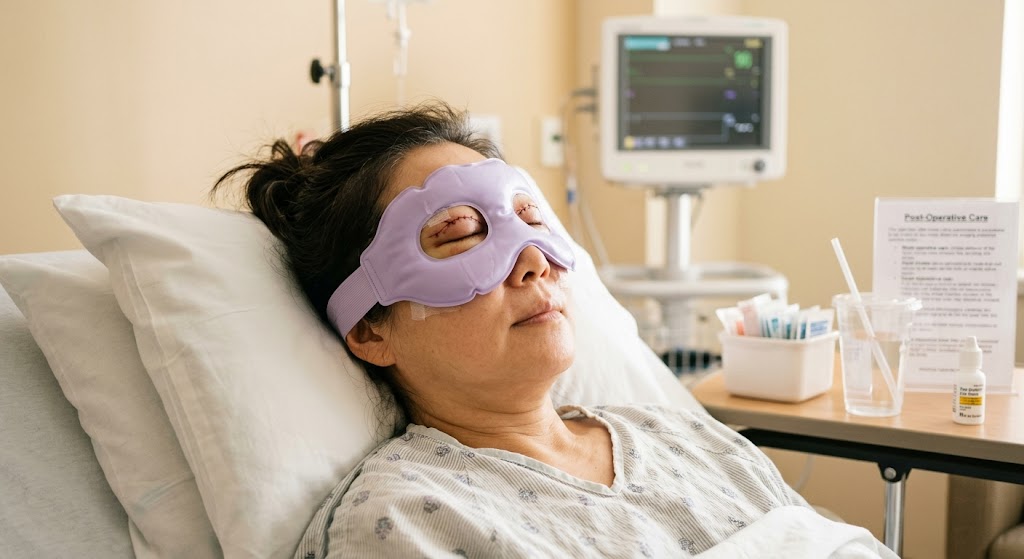
Recovery after eyelid surgery can feel unpredictable. Some mornings your eyes may look less swollen, and the next day they may appear puffier again. Bruising changes color, swelling shifts, and it is common for patients to wonder whether healing is progressing normally.
For most patients, these changes are simply part of the body’s natural healing process.
Swelling after blepharoplasty is a completely normal part of the healing process. What most patients find confusing is that it does not follow a straight line. It comes and goes. It changes from day to day. And because the skin around the eyes is so thin and sensitive, even small things like a long time spent working may cause restless nights, making puffiness more visible the next morning.
For Blepharoplasty Raleigh NC, Dr. Sumeet Jindal works with patients through every stage of eyelid surgery recovery. As a board-certified ophthalmologist and fellowship-trained oculofacial cosmetic surgeon, he sees this kind of recovery uncertainty in patients regularly and knows that the right information at the right time makes the entire process far less stressful.
Why Swelling Happens During Blepharoplasty?
According to the National Institutes of Health, blepharoplasty can improve both functional vision concerns and cosmetic appearance, which is why it remains one of the most widely performed and adaptable facial procedures.
Normal Healing Response After Eyelid Surgery
When the body experiences any kind of surgical incision, it responds immediately by sending fluid, blood cells, and healing proteins to the area. This is inflammation, and it is not a problem. It is the body doing exactly what it is designed to do when tissue is disturbed. The puffiness you see in the mirror after eyelid surgery is simply that process made visible.
Why Eyelid Skin Swells More Easily Than Other Areas?
The skin around the eyes is among the thinnest on the human body. Underneath it sits a layer of loose tissue that holds fluid very easily. Unlike skin on the forehead or cheek, there is very little structural resistance here. Even a carefully performed surgery will produce visible swelling, and that swelling can look more dramatic than a patient expects, even when everything is healing properly.
Factors That Affect Swelling Duration
Swelling after eyelid surgery can look different from person to person. Some patients recover quickly, while others notice puffiness lasting a little longer. Several factors can influence how long swelling lasts.
Age
- Healing tends to slow down with age
- Older tissue may hold fluid longer
- Swelling can take more time to fully settle
Smoking
- Smoking reduces blood flow and slows healing
- The skin and tissues recover less efficiently
- Swelling and bruising may last longer than expected
Diet
- Foods high in salt can increase fluid retention
- Extra fluid often becomes more noticeable around the eyes
- Staying hydrated and eating balanced meals may help reduce puffiness
Sleeping Position
- Sleeping flat can cause fluid to collect around the face overnight
- Keeping the head elevated may help minimize morning swelling
- Many surgeons recommend sleeping slightly upright during early recovery
Type of Eyelid Surgery
- Lower blepharoplasty usually involves more tissue work
- Because of this, lower blepharoplasty swelling often lasts longer
- Upper eyelid surgery recovers faster in comparison
Genetics
- Healing timelines can vary based on genetics.
- Some people naturally drain fluid faster than others
- Genetics can affect bruising, swelling, and overall recovery time
What to Expect During Blepharoplasty Recovery Week By Week?
Days 1 to 3: Peak Swelling and Bruising
The first few days after surgery usually bring the most swelling and bruising. The eyelids may feel tight, and vision may look slightly blurry due to swelling or a healing ointment. Puffiness and discoloration around the eyes can feel alarming at first, but this stage is temporary and expected.
Cold compresses for short intervals can help reduce swelling, and keeping the head elevated, even during sleep, helps prevent fluid buildup.
Week 1: Bruising Begins to Fade
By the end of the first week, bruising often begins to change from deep purple to yellow or green as the body reabsorbs trapped blood beneath the skin. If non-dissolving sutures were used, they are usually removed around this time.
Swelling is still noticeable but begins to soften. Most patients are advised to keep activity light and continue sleeping with the head elevated to reduce overnight puffiness.
Swelling 2 Weeks After Blepharoplasty: What to Expect
Around two weeks after surgery, most patients notice major improvement. In many cases, about 60% to 80% of the swelling has gone down. The eyes start looking more open, refreshed, and natural.
Mild puffiness is still common, especially in the mornings. One eye may also appear more swollen than the other for a while, which is normal during the blepharoplasty healing stages. The two sides of the face rarely recover at exactly the same speed, and this temporary unevenness usually settles with time.
At this stage, most surgeons still recommend being cautious with makeup near the eyes. Please check with your surgeon before using any makeup products in the incision area.
Weeks 3 to 6: Looking More Like Yourself Again
After eyelid surgery, many patients feel comfortable returning to work, social events, and daily routines between weeks three and six. The eyes typically look brighter and more rested, and the results become easier to appreciate.
Some mild morning puffiness can still happen, especially after lower eyelid surgery. During this phase, incision lines continue to soften and fade away. Even though visible healing improves significantly, the tissue beneath the skin is still recovering.
Swelling 3: Months After Blepharoplasty
By three months, most patients feel mostly healed. In many ways, they are. However, the deeper tissue beneath the skin is still settling and remodeling.
Lower eyelid surgery is often refined further at this stage. Small changes in puffiness can still happen after poor sleep, stress, or salty meals, and this is usually part of normal healing rather than a sign of a problem.
Swelling 6: Months After Blepharoplasty: Is It Normal?
For some patients, mild swelling at six months can still be completely normal. The delicate tissue around the eyes heals slowly, and scar tissue continues maturing for months after surgery.
Small areas of firmness or subtle puffiness may still feel different from the surrounding skin during this time. What matters most is whether things are gradually improving.
Slowly fading swelling is usually part of the healing process. But if swelling suddenly worsens, becomes painful, or appears red or with other symptoms, it is important to contact your surgeon for evaluation.
According to PubMed, eyelid surgery consistently remains one of the most commonly performed cosmetic facial procedures in the United States.
Uneven Swelling After Blepharoplasty: Should You Be Concerned?
This is one of the most common concerns patients raise during recovery, yet it receives far too little attention. Uneven swelling after blepharoplasty is not unusual. In fact, it is one of the most predictable aspects of early recovery from eyelid surgery.
Most people have a preferred sleeping side, and the eye on that side will collect more fluid overnight. The two eyes may have had slightly different amounts of tissue addressed during surgery. Fluid simply does not distribute or drain in a perfectly symmetrical way. One eye healing faster than the other does not mean one eye had a problem.
What patients need to understand is that the final result is not visible during the swelling phase. The symmetry that will exist at six months is not the same as the symmetry visible at two weeks. Giving the healing process time is the most important thing you can do when swelling looks uneven.
How to Reduce Swelling After Blepharoplasty?
- Cold compresses can help reduce swelling during the first 48 hours after surgery.
- Sleeping with your head raised on two or three pillows during the first week helps reduce overnight fluid buildup and morning puffiness.
- Salt and alcohol can increase fluid retention, making swelling more noticeable.
- Drinking enough water supports healing and helps the body manage swelling more effectively.
- Strenuous activity increases blood flow and pressure around healing tissue, which can worsen swelling.
- Wearing sunglasses and sunscreen outdoors can help prevent darkening of scars and prolonged redness.
- Following your surgeon’s personalized eyelid surgery aftercare guidance is one of the most important parts of healing well.
What Makes Swelling Worse After Eyelid Surgery?
- Crying can increase pressure and fluid around the eyes
- Smoking slows circulation and delays healing
- Poor sleep reduces the body’s natural recovery process
- Rubbing the eyes can irritate healing tissue
- Too much screen time may worsen eye strain and dryness
- Heavy lifting or bending forward increases facial pressure
- Salty and processed foods can cause extra fluid retention
When Should You Call Your Surgeon?
Most blepharoplasty recovery symptoms are uncomfortable but completely normal. Swelling, bruising, tightness, and mild irritation are all expected during the healing process. However, certain symptoms may signal a blepharoplasty complication and should be evaluated right away.
Contact your surgeon immediately if you notice:
- Sudden changes in vision
- Blurry or double vision
- Difficulty with side vision
- Severe pain that does not improve with prescribed medication
- Fever above 101°F
- Rapid or one-sided swelling that continues worsening
- Yellow or green discharge from the incision
- Uncontrolled bleeding
These symptoms can indicate a problem that needs prompt medical attention.
Realistic Expectations: Healing Is Not Linear
Blepharoplasty healing is rarely perfectly steady. Some days your eyes may look much better, while the next morning the swelling returns. This is completely normal and does not mean recovery has stalled.
Swelling can fluctuate for weeks due to sleep, salt intake, screen time, heat, or activity levels. Even after bruising fades, deeper tissue continues to heal beneath the surface.
The most important thing to remember is that blepharoplasty recovery happens gradually. Temporary ups and downs are a normal part of the healing process.
Choose the Right Blepharoplasty Raleigh NC Surgeon
Eyelid surgery is one of those procedures where small details make a big difference. The way tissue is handled during surgery can affect swelling, healing time, scarring, and the eyes’ natural appearance afterward. That is why choosing an experienced surgeon matters.
Dr. Sumeet Jindal is a board-certified oculofacial cosmetic surgeon known for a careful, natural approach to facial surgery. His goal is not to change the patient’s look, but to help them appear more rested, refreshed, and balanced without losing their natural expression.
At JIYA Cosmetic, every blepharoplasty Raleigh NC procedure starts with a detailed consultation. Dr. Jindal takes time to evaluate the patient’s anatomy, skin quality, medical history, and personal goals before creating a surgical plan tailored to the individual rather than following a standard approach.
Patients are guided through blepharoplasty recovery, week by week, with personalized aftercare support and clear guidance. Consultations also give patients a chance to ask about swelling, downtime, washing their eyes after surgery, and practical eyelid surgery recovery tips to help ensure a smoother recovery.
To schedule a consultation for blepharoplasty in Raleigh NC, Call us at (919) 929-6006 or visit jiyacosmetic.com to book online.
FAQs
When does swelling go away after blepharoplasty?
Most of the visible swelling resolves within two to four weeks. Mild residual puffiness, particularly after lower eyelid surgery, can gradually improve over three to six months as deeper tissue heals.
Is swelling worse in the morning after blepharoplasty?
Yes, and this is completely expected. Fluid naturally settles in the face during sleep when the body is lying flat. Morning puffiness typically improves throughout the day as you move around and the fluid redistributes. Sleeping with the head elevated reduces how much this happens.
Is uneven swelling normal after eyelid surgery?
It is very common. One eye almost always swells more than the other early in recovery, influenced by sleep position, the specifics of the surgery, and the body’s fluid management on each side. In most cases, the apparent asymmetry resolves as healing progresses over the following months.
When can I sleep normally after blepharoplasty?
Most surgeons advise keeping the head elevated for the first one to two weeks. After that, patients can gradually return to their usual sleeping position as swelling comes down and healing progresses. Your surgeon will let you know when it is appropriate based on how your recovery is going.
How to reduce swelling after eyelid surgery?
Most swelling after blepharoplasty improves within 10 to 14 days. But mild puffy eyes after blepharoplasty can last for several weeks. It is usually the first few days that are the most swollen, with peak swelling usually occurring on days three or four. As the tissue heals, subtle swelling under the eyes may continue to improve for several months after two weeks.