

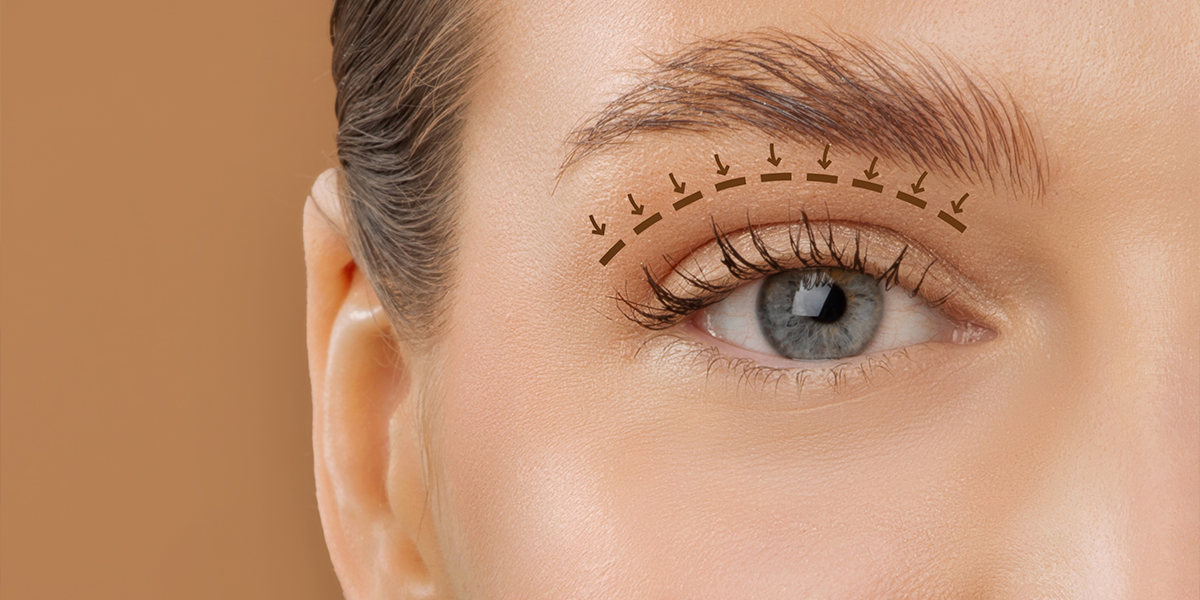
The eyes are often the first place people notice tiredness, even when you feel completely fine. A heavier upper lid can make you look less awake, and under-eye puffiness can create shadows that no concealer truly fixes. If you’ve been wondering what blepharoplasty is and whether it’s the right next step for eyelid sagging or bags, you’re not alone. Blepharoplasty is one of the most commonly performed facial procedures, and it can be both cosmetic and functional, depending on what your eyelids are doing and how they’re affecting your day-to-day life.
- What is Upper Blepharoplasty?
- What is Lower Blepharoplasty?
- What’s the Difference Between Upper vs. Lower Blepharoplasty?
- When Should You Consider Eyelid Surgery for Sagging or Puffiness?
- What Differences are Expected in Blepharoplasty Before and After?
- What to Expect During Blepharoplasty Recovery?
- How Much Does Blepharoplasty Cost?
- Looking for Blepharoplasty Surgeons Near Me? Consider These Points in Raleigh
- Conclusion
- FAQs
For patients considering blepharoplasty Raleigh NC, schedule a consultation with the Jindal Institute of Youthful Aging to meet Dr. Jindal, review your goals, and receive a personalized upper or lower eyelid surgery plan designed for natural, refreshed results.
What is Blepharoplasty?
Blepharoplasty is eyelid surgery designed to address lax, sagging skin and age-related changes around the eyes. It can be performed on the upper eyelids, the lower eyelids, or both, depending on whether your main concern is hooding, puffiness, wrinkles, or a combination.
At JIYA Cosmetic, the procedure is described as a way to reduce excess skin, puffiness, and wrinkles around the eyes. Upper and lower options can be done separately or together, based on your anatomy and goals.
What is Upper Blepharoplasty?
If you’re bothered by hooding or heaviness, blepharoplasty of upper eyelid tissue can help restore a cleaner crease and a more open eye shape, without changing who you are.
Upper eyelid surgery as removal of extra skin & tissue causing sagging. The incision is placed within the eyelid crease, where it’s naturally hidden, and the thin eyelid skin tends to heal with minimal visible scarring.
What are the common benefits of upper eyelid blepharoplasty?
Patients often want, including a larger visual field, removal of extra skin, tightening underlying structures, and improving crepey texture.
Anesthesia and procedure time
Upper blepharoplasty is typically done with local anesthesia, and surgery often takes less than an hour.
What is Lower Blepharoplasty?
Lower blepharoplasty is often chosen for under-eye bags, puffiness, or skin laxity beneath the lashes. Lower eyelid surgery as removing extra lower lid skin, with the option to remove or reposition fat to create a more youthful contour and help avoid an overly hollow appearance.
What are the lower blepharoplasty techniques?
JIYA outlines two primary approaches, and the technique is chosen based on your anatomy and the correction needed:
- Transconjunctival approach, incision inside the lower lid, to access fat and potentially reposition it, often described as scarless because there’s no external incision.
- Fat transfer technique: Skin-only or pinch-style skin removal, when the main issue is extra skin laxity.
In some cases, a small amount of fat transfer (or other volume strategy) may be considered when hollowness is part of the concern.
What’s the Difference Between Upper vs. Lower Blepharoplasty?
Upper blepharoplasty focuses on excess skin and tissue on the upper lids that contributes to hooding and drooping. In some cases, it can also improve vision if the lid is obstructing the visual field.
Lower blepharoplasty focuses on the under-eye area, removing extra skin and, when appropriate, removing or repositioning fat to reduce puffiness while avoiding a hollowed look.
Many patients benefit from combining both, especially when upper lid hooding and lower lid puffiness show up together. Combined upper & lower blepharoplasty can address both regions in one plan.
When Should You Consider Eyelid Surgery for Sagging or Puffiness?
There’s no single perfect time, because eyelids age differently from person to person. Multiple sources focus that it’s less about your age and more about how your eyelids affect your appearance, vision, and confidence.
Here are the most common signs you may be ready:
1) Your upper eyelids feel heavy, or start to interfere with vision
Excess upper lid skin can sit lower over time, creating hooding that may make you squint, tilt your head back, or feel like your eyes look smaller. Upper lid hooding can become a functional issue when it restricts the visual field.
2) Under-eye bags and puffiness don’t go away
If the bags under your eyes persist regardless of sleep, hydration, or skincare, lower lid changes may be structural (skin laxity and/or fat prominence). Persistent puffiness is a common sign people consider eyelid surgery.
3) You keep hearing “You look tired”
That comment is one of the biggest emotional triggers for patients, and it’s a real theme across blepharoplasty candidacy lists. This exact type of “tired” feedback is a common reason patients explore surgery.
4) Makeup sits strangely or disappears into the fold
When upper eyelid skin covers the crease, eyeliner can smudge and shadow can transfer, making it harder to get the look you want. This often shows up well before the aging changes feel dramatic.
What Differences are Expected in Blepharoplasty Before and After?
People searching blepharoplasty before and after are usually hoping for three things:
- eyes that look more open
- less heaviness or hooding
- smoother under-eye contours with reduced bagging
JIYA’s blepharoplasty and eyelid procedure pages include dedicated before-and-after photo sections for both lower and upper surgery, helpful for setting expectations and seeing different starting points.
At the same time, reputable practices also remind patients that results vary and photos may be presented with adjustments such as cropping or lighting.
What to Expect During Blepharoplasty Recovery?
Blepharoplasty recovery is usually described as straightforward, but it still requires smart planning, in the first few days.
Early recovery
Lower blepharoplasty recovery is often fairly easy, with minimal pain for many patients, but highlights early restrictions on intense eye focus, like watching TV, reading, and driving, for about 2-3 days.
First 1-2 weeks
For upper blepharoplasty, swelling and bruising often subside in 7-10 days, which is when many patients return to work. They also recommend avoiding strenuous exercise for at least two weeks and keeping incisions out of the sun.
How Much Does Blepharoplasty Cost?
If you’re researching how much blepharoplasty costs, the most accurate answer is: it depends on the plan.
Eyelid surgery pricing can fluctuate based on patient and surgical needs, and performing eyelid surgeries under local anesthesia can help reduce costs. They also mention working with outside financing companies.
Here are the biggest factors that influence cost:
- Upper vs. lower. Lower surgery can be more technically involved.
- whether fat is removed vs. repositioned (or if volume support is needed).
- combined upper + lower in one session
- anesthesia type and facility fees (varies by setting).
Patients receive a finalized price quote and financing information after consultation for lower lid surgery.
Looking for Blepharoplasty Surgeons Near Me? Consider These Points in Raleigh
Typing blepharoplasty surgeons near me is a good start but it’s not the same as knowing what actually matters for safety and natural results.
Here’s a practical checklist:
- Look for a surgeon with specific eyelid training and experience (oculofacial/ophthalmic background can be a major plus). At JIYA Cosmetics, Dr. Sumeet Jindal is an experienced facial and eyelid surgeon and a board-certified ophthalmologist & facial cosmetic surgeon.
- Ask to see blepharoplasty before and after photos with similar anatomy to yours.
- Make sure the consult includes a full evaluation for brow or eyelid ptosis and whether non-surgical options might fit first. Evaluate brow ptosis/eyelid ptosis and take a holistic approach before recommending surgery.
- Discuss anesthesia preferences and safety. Using local anesthesia for upper eyelid surgery and explains the role of local vs. general in certain situations.
If your search is specifically for Raleigh blepharoplasty or blepharoplasty Raleigh NC, you also want a practice that regularly performs both cosmetic and medically oriented eyelid procedures, because eyelids are small, detailed, and highly individual.
Conclusion
Now that you know what blepharoplasty is and whether it’s time to do something about eyelid sagging or puffiness, let your symptoms guide you further. The right evaluation can clarify whether upper blepharoplasty, lower blepharoplasty, or a combined approach will best match your anatomy, so results look natural, not overdone, and still feel like you.
If you’re ready to explore your options, consider a personalized consultation at JIYA Cosmetic. Our team can assess what’s driving the sagging or puffiness, walk you through a tailored plan, and help you understand expected outcomes and blepharoplasty recovery in a way that feels clear and realistic. Learn more about eyelid surgery in Raleigh and request an appointment at https://jiyacosmetic.com/.
FAQs
1: What is blepharoplasty cost?
Blepharoplasty cost depends on whether you need upper blepharoplasty, lower blepharoplasty, or both. Pricing can also vary based on the technique used, anesthesia, and facility fees. Upper eyelid surgery cost is often different from lower eyelid surgery because the procedure details and complexity can differ.
2: What should I expect from blepharoplasty before and after?
Blepharoplasty before and after results commonly include eyes that look more open, less upper-lid heaviness, and smoother under-eye contours with reduced puffiness. Most people still look like themselves, just more rested, once swelling and bruising fully settle.
3: Do I need eyelid surgery?
You may qualify for eyelid surgery if you have upper eyelid sagging, hooding, or under-eye bags that don’t improve with lifestyle changes or skincare. In some cases, patients qualify for functional reasons when upper eyelid drooping affects vision, but an in-person evaluation is needed to confirm.
4: What is blepharoplasty recovery like for upper blepharoplasty and lower blepharoplasty?
Blepharoplasty recovery typically includes temporary swelling and bruising. Many patients feel comfortable returning to routine activities within about 1-2 weeks, depending on the procedure. Upper blepharoplasty and lower blepharoplasty recovery timelines can vary, so your surgeon will provide a personalized aftercare plan.